
What is Tableau MCP?
Understand the core concept of the Model Context Protocol (MCP) and explore how Tableau MCP securely connects external AI agents to your governed enterprise data.

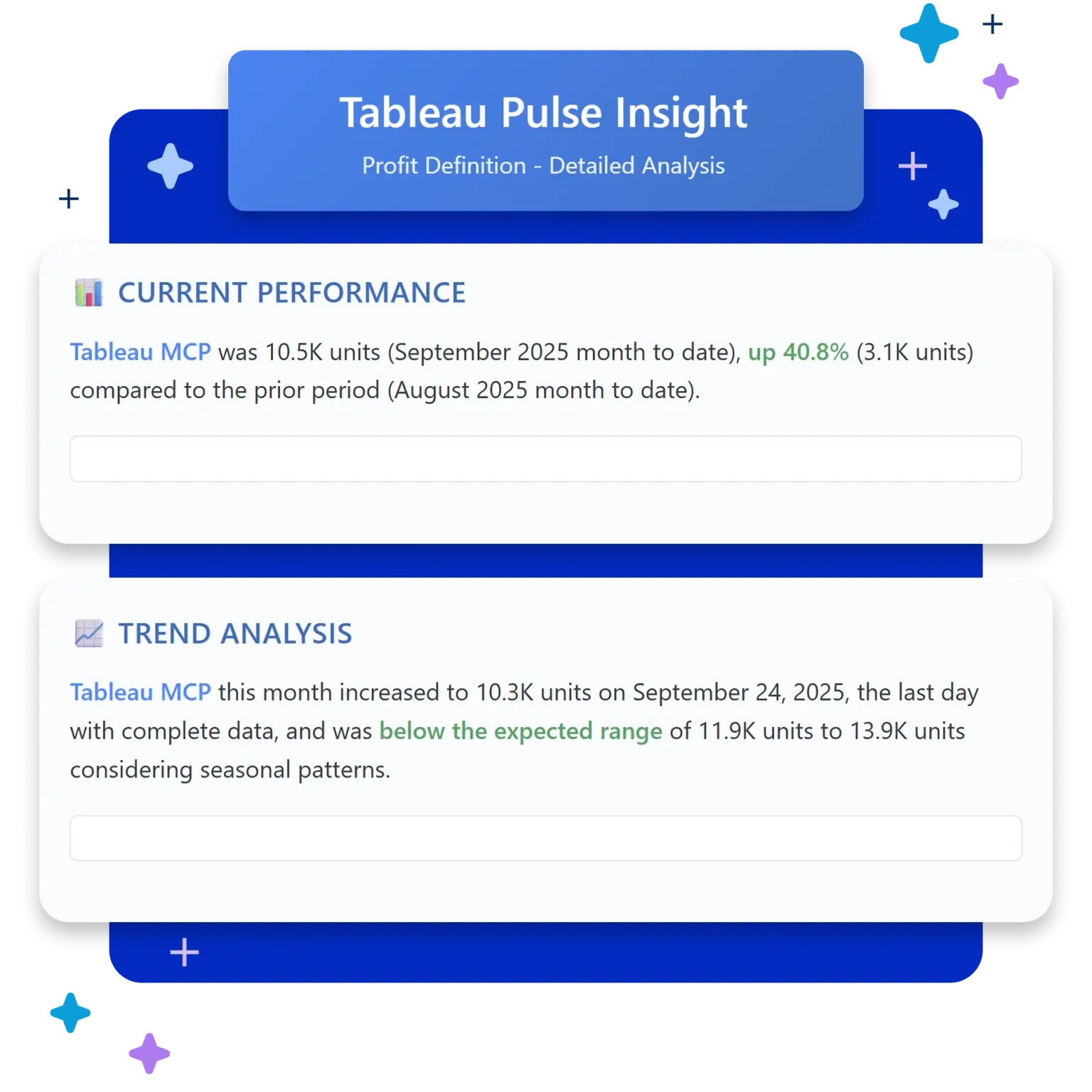
If you've been reading recent articles on AI and data architecture, you've probably seen the term "MCP" repeatedly. As Tableau heavily emphasizes its interoperability with external AI models, the importance of Tableau MCP has skyrocketed.
"What exactly is MCP, and what can we actually do once we install it in our company's data environment?"
Going beyond technical jargon, let's intuitively explore how Tableau MCP innovatively bridges your organization's data architecture with Artificial Intelligence.
What is the Model Context Protocol (MCP)?
The Model Context Protocol (MCP) is an open-source standard pioneered by Anthropic (the creators of Claude). To put it simply, think of it as a "universal USB port" that gives AI models eyes and hands to interact with the real world.
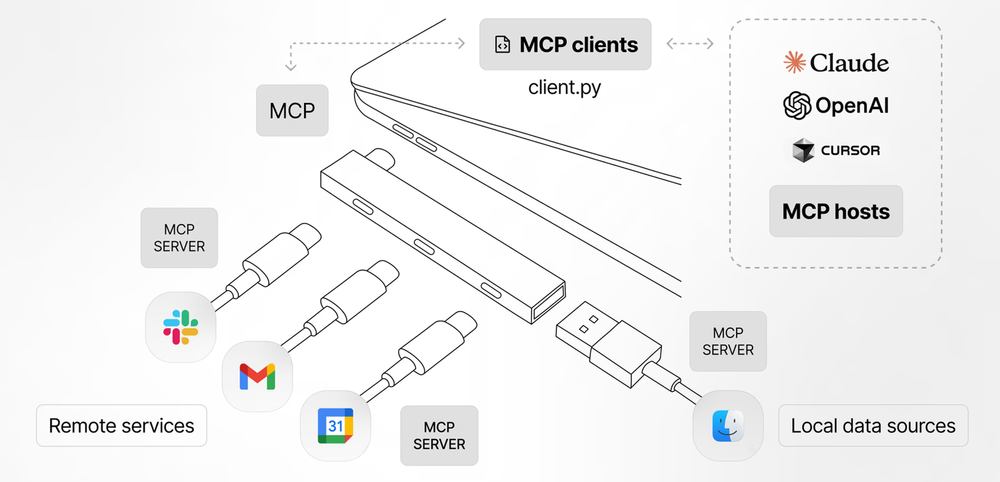
General Large Language Models (LLMs) possess vast world knowledge, but they know absolutely nothing about your company’s internal databases or latest sales figures due to secure firewalls. MCP is a standardized communication protocol that securely bypasses this barrier, allowing AI to safely exchange data with external tools like Slack, Google Drive, or your internal databases.
What exactly does Tableau MCP do?
Tableau MCP acts as the dedicated connector cable that securely links exceptional external AI agents (like Claude Desktop) with the highly governed enterprise data stored inside your Tableau Server or Cloud.
Tableau acts as a robust Semantic Layer, translating complex raw data into human-readable business language. Instead of letting an external AI blindly query your raw database, Tableau MCP directs the AI to exclusively access Tableau's highly organized "Published Data Sources" and "Tableau Pulse metrics" to find the correct answers.
 Yehwan Hwang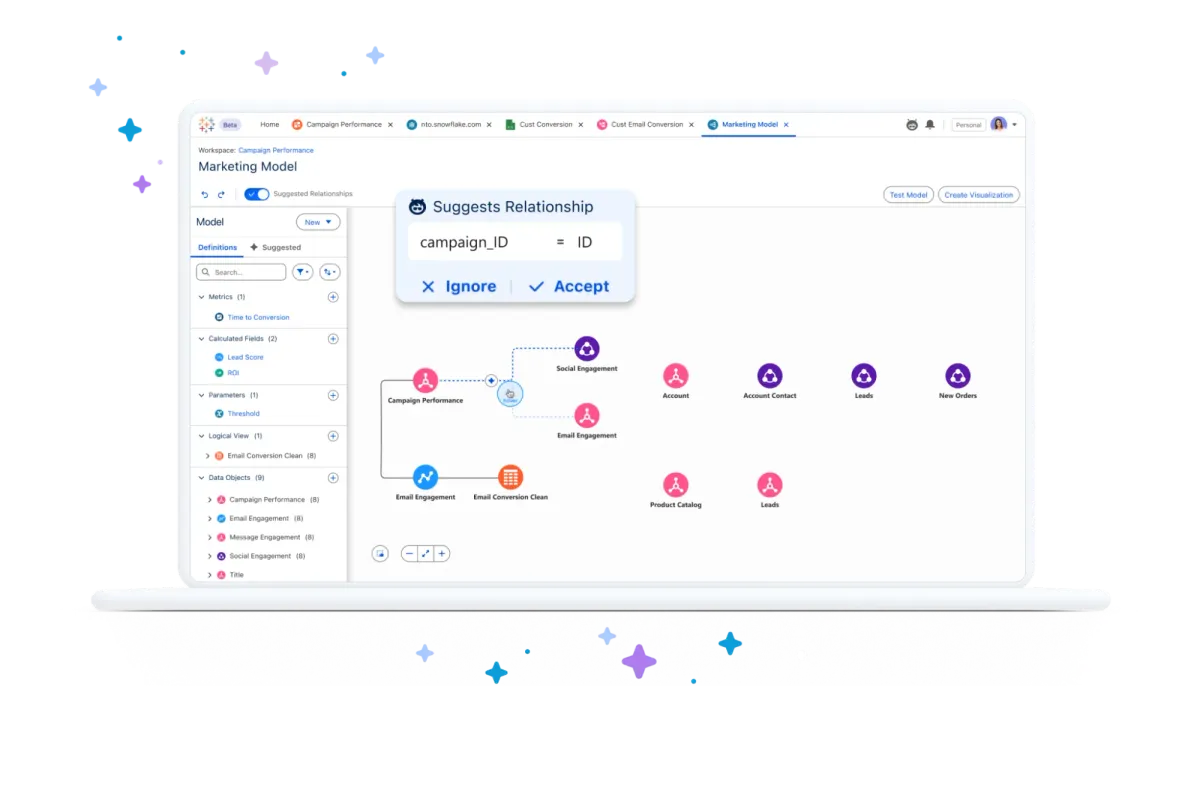
What can you actually do once you install Tableau MCP?
Once Tableau MCP is set up and integrated into your organization's AI workflow, the following transformative analytics capabilities become reality:
- Conversational Analytics with Enterprise Data (Chat with Data): Without even opening a Tableau dashboard, you can simply type in your custom AI agent or Claude Desktop: "Summarize the sales trend in Asia for this month." The AI uses Tableau MCP to securely ping your Tableau Server, fetch the data, and respond with accurate text and charts.
- Completely Eliminating AI Hallucinations: This is the most powerful benefit. Instead of the AI guessing or writing hallucinated SQL queries against raw tables, it calls data through Tableau’s VizQL Data Service. This ensures the AI only uses pre-validated calculations and logic, eliminating hallucinations and maintaining a Single Source of Truth (SSOT).
- Maintaining Strict Enterprise Security (Row-Level Security): Even when an external AI queries your data, Tableau’s user authentication and Row-Level Security (RLS) rules remain fully enforced. If a sales rep asks the AI a question, it will only return data that the specific rep is authorized to see, ensuring zero risk of data leaks.