
What is Tableau Semantics?
An introduction to Tableau Semantics, the AI-infused semantic layer that serves as the centralized framework for enterprise knowledge and data trust.

As the integration of data analytics and artificial intelligence (AI) accelerates, the importance of a Semantic Layer—an intermediary layer that translates complex database machine language into business language understood by both humans and AI—is more critical than ever.
 Yehwan Hwang
In response to this trend, Tableau has announced a new product offering called Tableau Semantics. However, the name alone might leave you wondering, "Is this just a renamed feature for creating dashboards in Tableau Desktop or Server?"
Based on the latest announcements from the official Tableau blog, we will clarify exactly what Tableau Semantics is, where it fits in your architecture, and how it is utilized across your organization.
Is Tableau Semantics only for Tableau users?
Because the word "Tableau" is in the name, it’s easy to mistake it for an internal feature solely used for data visualization. In reality, its position is much more foundational.
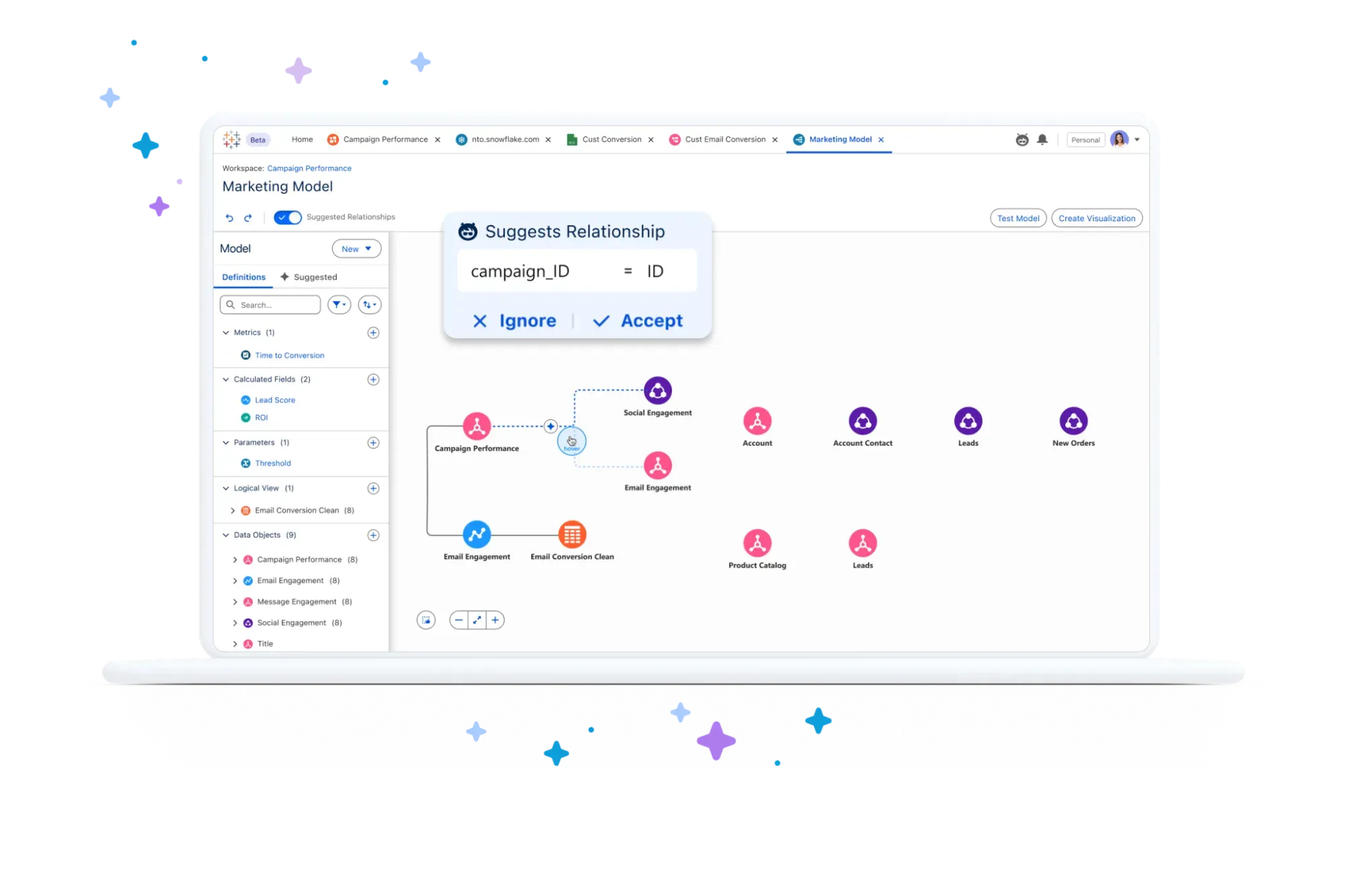
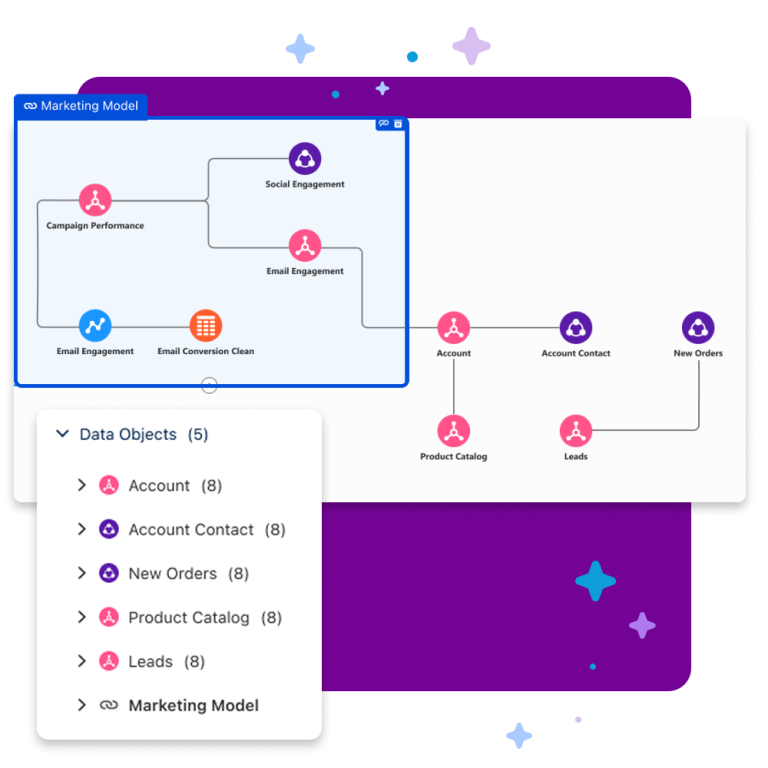
Tableau Semantics serves as the crucial meaning-making layer connecting Data 360 (formerly Data Cloud)—Salesforce's massive data platform—with Tableau Next, the premier analytics platform. It integrates fragmented data across the organization and enriches it with clear business context, providing a centralized framework for managing metrics, dimensions, and relationships.
 Yehwan Hwang
In other words, it is not simply a tool for displaying Tableau dashboards. It is an independent infrastructure that acts as an enterprise-wide "Knowledge Engine," referenced by the entire Salesforce ecosystem and AI capabilities like Agentforce.
How is this different from our existing 'Published Data Sources'?
If you are a veteran Tableau environment user, this is likely your biggest question. The primary differentiator is AI-Readiness.
- Preventing Hallucinations and Embedding Business Logic: While traditional data models were static structures built for analysts (humans) to configure visualizations, Tableau Semantics is explicitly designed for AI agents. When AI answers a user's natural language question, Tableau Semantics ensures the response is grounded in your organization’s unique business logic (e.g., the exact formula for "Revenue"), providing accurate, trustworthy answers without hallucinations.
- AI-Driven Automation: Moving beyond manual relationship configurations, AI agents now recommend proper semantics for your underlying data and automate model generation, drastically cutting down build times.
- Reusing Existing Assets: You don't have to discard the Published Data Sources you've painstakingly built over the years. Existing assets seamlessly connect to the Tableau Semantics ecosystem, allowing them to be fully leveraged for deep analysis and as a foundational data source for AI.
How can this feature be used?
Tableau Semantics is delivered as a core component of the premium Tableau+ bundle, extending analytics far beyond traditional dashboard screens.
- Delivered in the Flow of Work: Data knowledge structured through Tableau Semantics is delivered directly into the environments where users actually work—such as Slack, Microsoft Teams, and CRM screens—via Tableau Next and Agentforce. Users no longer need to open separate dashboard links to find insights.
- Integration with External AI via Tableau MCP: This offers the most innovative extensibility. By utilizing the open-source Tableau MCP (Model Context Protocol) framework, even custom-built external AI agents or general Large Language Models (like Claude or ChatGPT) can access Tableau Semantics. This means no matter what external AI model you use, you can ground it securely in the validated business knowledge managed by Tableau.